
Each morning before school and after dismissal, the Blacow Road bike lane and the horseshoe, the curved driveway in front of Irvington High School used for drop-offs and pick-ups, fill with cars. While the expectation is that drivers briefly stop in designated zones and keep bike lanes clear, teachers and students say that in practice, cars park for extended periods, block visibility, and force cyclists into traffic.
According to school and city guidelines, drivers are not allowed to stop or park in the bike lanes along Blacow Road or in the red zones around the horseshoe. The area is meant for quick student drop-offs and bus access. The City of Fremont has designated this section of Blacow as a “Tier 1” traffic-safety priority and has budgeted for green plastic bollards meant to physically separate the bike lanes from the road.
Campus supervisors are expected to keep the driveways clear and ensure that only vehicles with special permits, such as those transporting students with disabilities, enter the area after 2:45 pm.
Teachers say the reality looks very different. History teacher Ms. Fields said that during morning drop-off, “every spot that can be parked in is parked in,” often by 8:15 am. She said students on bikes have to move into traffic lanes to get around stopped cars, creating blind spots for both cyclists and drivers. “It’s only a matter of time before there’s another accident,” Fields said, referencing a fatal crash that occurred years earlier further down Blacow Road.
English teacher Ms. Hudson, whose classroom faces the horseshoe, said congestion makes it difficult for buses and other drivers to see clearly. “Parents park along the curb, and it blocks visibility into the street,” she said. “If you’re in the red zone, kids might think it’s safe to cross when it’s not.” She added that parents should move quickly: “Pick your kid up and go. It shouldn’t take longer than five minutes.”
Campus supervisors Ross McCalley and Maisoon Hassanin said the issue happens daily. Parents frequently double-park, wait in the bike lane, or block the slow lane. However, McCalley explained that enforcement options are limited. “After 2:30, I’m supposed to close off the driveway except for buses or special-ed vehicles,” he said. “But some parents still try to drive through.”
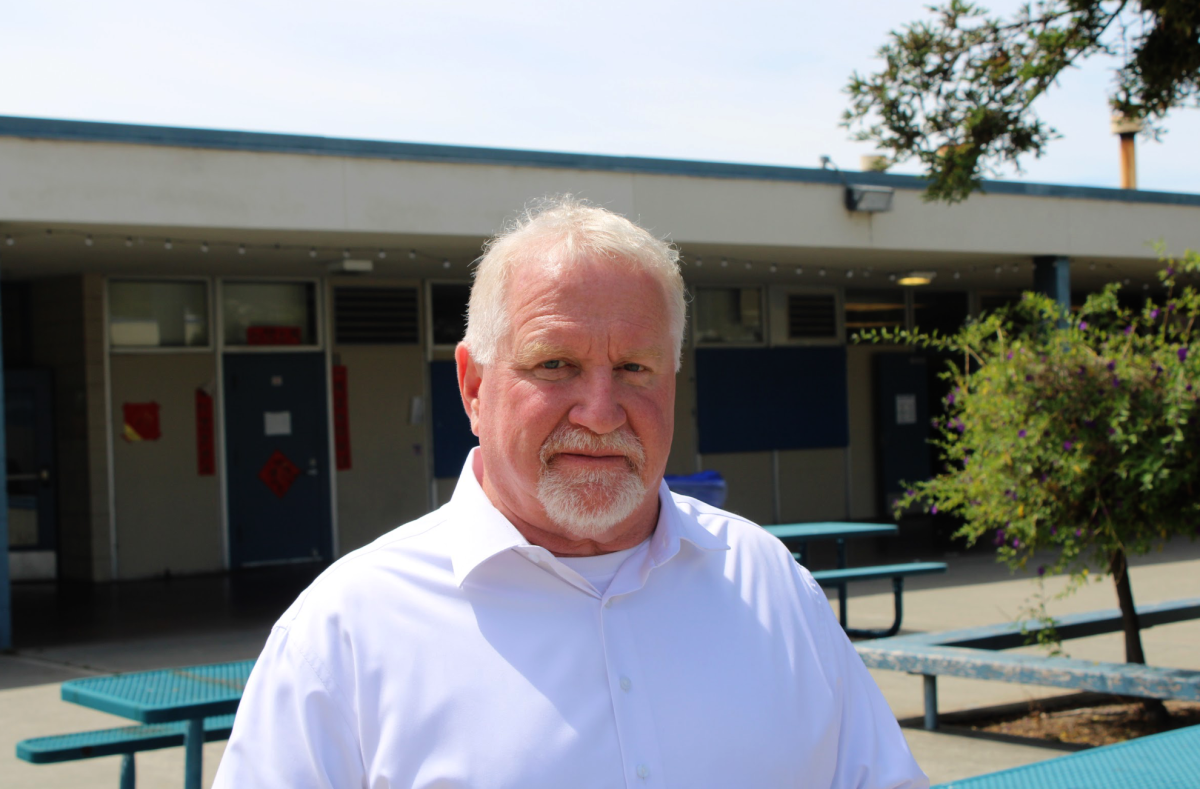
Principal Stanley Hicks added that while Fremont Police and the school resource officer can ticket cars, the school legally cannot.. “We can’t enforce the law,” he said. “We remind people using email announcements, but that’s all we can do.”
For students who bike or walk, the congestion poses daily risks. Student Zoe Ho (12) said she often has to swerve into traffic to avoid parked cars. “It’s not life-threatening, but it feels dangerous when drivers don’t pay attention.” Another student, Wendy Li (11), said she has had “close calls: at intersections near Harvey Green and Kennedy. Both said physical barriers could help. “A divider would make drivers think twice,” Ho said.
Student drivers say the problem affects them too. Student Chaitra Vengalam (12) said that getting into the parking lot from Blacow can take up to 15 minutes. “Parents stop in turn lanes or drop off kids in the middle of the road,” she said. “It’s stressful and not safe for anyone.”
The City of Fremont’s planned installation of green bollards is intended to reduce illegal parking and protect cyclists. However, some staff believe the change will have limited impact unless enforcement increases. “A ticket would make the biggest difference,” one campus supervisor said. Ms. Fields also questioned the city’s planned safety measures, saying, “Plastic poles won’t stop cars. We need concrete barriers without gaps in between.”
School Resource Officer Medina-Palafox described the current situation as a “high safety risk.” He said, “Many aren’t aware of their surroundings and don’t look at the bike lane before pulling out.”
While school staff continue to monitor the area, no timeline has been announced for when the city’s safety improvements will be implemented. Until then, the expectation remains the same: bike lanes are for bikes, red zones are for emergencies, and quick drop-offs should not turn into parked traffic.