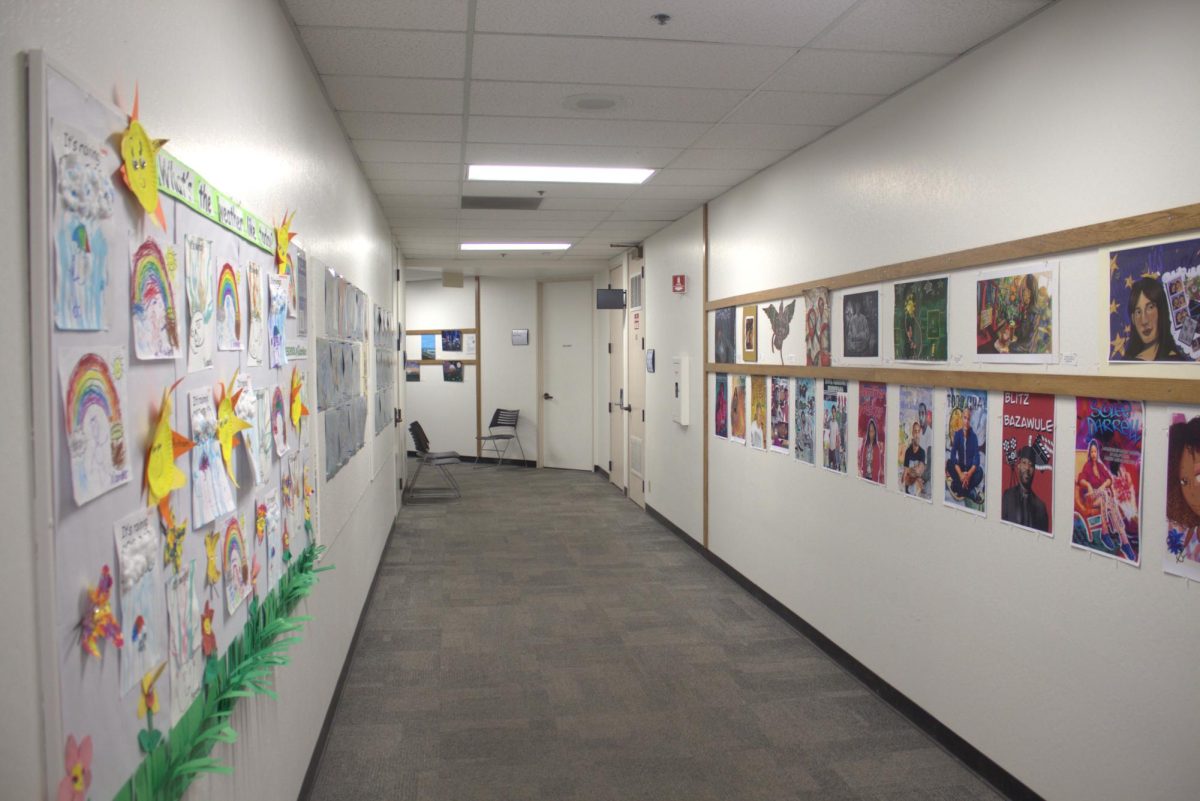

Students and staff walking toward classrooms in the 30s wing have recently reported a strong and unpleasant smell in the area. The odor, described as putrid and sour, has caused confusion about its source.
“At first, we thought it might be coming from the boy’s bathroom,”said Ms. Sangeeta Agarwal, a resource specialist teacher whose classroom is in close proximity with the tree. “Some students suggested it could be from Culinary where they might be making some kind of cheese. But it didn’t smell like cheese.”
The true source of the odor appears to be a female ginkgo tree located near room 32. Ginkgo trees are known for their fan-shaped leaves and resilience in urban environments. However, the female trees produce fruit in the autumn that fall readily. After falling and being stepped on or broken, the fruit releases a strong and unpleasant smell comparable to vomit, cheese, or rotten eggs. The odor is strongest during the fall months when the fruit drops in large quantities and begins to decay.
The impact on teaching has been noticeable. “It is so powerful that we do get distracted,” she said. “And so actually it gives me headaches too.” If teachers are also complaining about this issue, then students will be affected in their learning too.
Ms. Agarwal said that she does not recall the smell being this strong before. “I don’t remember last year, but I think this year is very strong,” she said.
Currently, no action has been taken by the school district regarding the tree. Ms. Agarwal believes removing the tree could be a solution, as it is a recurring problem yearly. “I think they should cut down the tree,” she said. “They could plant another one that smells better, maybe something with flowers or a fruity smell.”
Other options exist as well. Online sources, such as the New York Botanical Garden, suggest regularly cleaning up the fallen fruit, pruning the tree to reduce fruit production, or using growth regulators(Daubmann). Teachers could also consider using air fresheners or other scented products inside classrooms to help reduce the impact of the smell.
Some students, especially those around the 30s wing, have also raised concerns about the process the school district uses when selecting trees and plants for campus environments. The presence of odor producing trees near classrooms has prompted questions about whether enough consideration is given to the long term effects of landscaping choices on learning environments.
With the fall season in full swing and more ginkgo fruit likely to drop in the coming weeks, the odor may appear again unless further steps are taken. Whether the district decided to remove the tree, implement routine maintenance, or simply wait for the season to pass again, the issue remains a source of discomfort for those who work and learn in the 30s wing.