With the average viewership of the annual Super Bowl averaging in the hundreds of millions, it is no surprise that companies heavily covet advertisements during the broadcast of the event. With the standard unit for an ad being 30 seconds at the Super Bowl, each company must find its own unique way to not waste millions on a single ad spot and market its product to a third of the American population.
The common theme throughout all of the more memorable advertisements could be narrowed down to three main categories: cultural relevance, consumer appeal, and brand recognition.
One of the biggest ad campaigns this year was run by Chipotle. While formatted like a traditional ad, Chipotle was able to make a few clever digs at and build on the current discussion around the over-saturation of the artificial intelligence industry. According to the company’s Instagram, the first 100,000 people to text a hidden code from an AI-generated ad would be eligible for a free burrito. This form of interactive advertising proved to be a hit as all of the codes were claimed in a matter of seconds.
Another company that spent quite a bit of effort and money was Meta, to promote their new Meta Oakley video glasses. The ad primarily featured the glasses being used in “high-octane” situations to show off the product’s versatility and ruggedness. There were athletes wearing the glasses while mountain biking, golfing, and even skydiving. The ads also featured celebrities like former Seattle Seahawks running back Marshawn Lynch and director Spike Lee. These shorter ads were able to effectively market the glasses as an essential for all sports-related content creators.
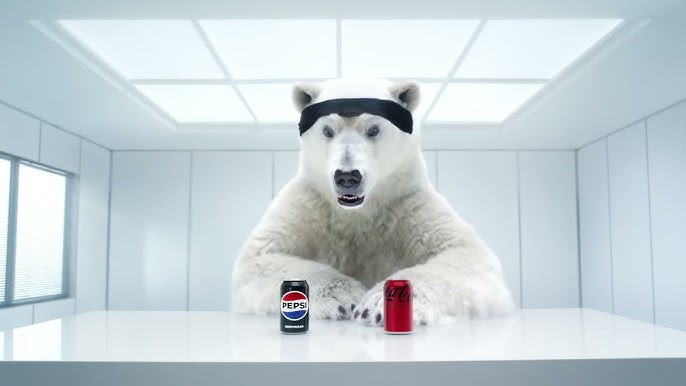
Some companies, like Xfinity and Pepsi, brought more humor. In this case, Xfinity spoofed “Jurassic Park” by depicting how the movie would have gone if the park had used its network services. Xfinity also brought back the actors from the original movie, making the ad much more memorable. Pepsi, on the other hand, utilized their competitor’s mascot, a polar bear, in awkward situations to push their own beverage.
Regardless of year, the most successful Super Bowl ads always prove that budgeting and forking over obscene amounts of money is only half the battle. The real victory lies in being able to instill a certain image in the audience that will keep them talking for days afterwards. Whether it be Chipotle gamifying the ad format or Meta showing their product utility, hundreds of brands each year manage to ensure a 30-second investment will turn into a sustained new market.