At 5 p.m. PST on February 1, at the Crypto.com Arena in Los Angeles, an electric performance of “APT.” by Rosé and Bruno Mars kicked off the 68th Annual Grammy Awards ceremony: a hard-rock rendition of the 2024 K-pop hit set the stage for the dramatic evening to follow. After one last “apateu,” Trevor Noah took the microphone, introducing himself as host for the sixth and final time.
The ceremony, presented by the Recording Academy of the United States, has developed as a platform for celebrity activism. This year, in particular, there was a distinctly political flavor to commentary and acceptance speeches. Before the event, artists drew attention on the red carpet for both bold styles — Bad Bunny’s custom corseted tuxedo, Chappell Roan’s controversial, cape-like 1998 Mugler dress tribute, and Lady Gaga’s extravagant, black-swan inspired Matières Fécales gown among the highlights — and ICE OUT pins; the accessory, worn by the likes of Billie Eilish, Finneas O’ Connell, Justin and Hailey Bieber, and Kehlani, reflected a recurring theme of protest against the U.S. Immigration and Customs Enforcements policies.
But political statements did not distract from the main focus of the night: recognition of a diverse range of musical talent. Olivia Dean, who, along with Sombr, Lola Young, and Addison Rae, entered the mainstream through virality on TikTok, took home the Best New Artist Award. Dean released her first single seven years ago, and her 2025 album “The Art of Loving” is her second; while she is not new to the realm of professional music, qualification is based on when an artist “achieves a breakthrough into the public consciousness.” In that sense — contrary to what the name suggests — the award is reserved for breakout, rather than debut, artists. Nevertheless, Dean’s soulful, romantic pop has earned her millions of fans, and her win has been widely praised.
Other prominent wins included Billie Eilish and brother Finneas O’Connell’s “Wildflower” for Song of the Year — critics have called the win delayed appreciation for Eilish’s album “Hit Me Hard and Soft,” which went home empty-handed last year — and “Luther” by Kendrick Lamar and SZA for Record of the Year. Lamar, who released “Luther” and his album “GNX” in 2025, earned 5 Grammys over the night, bringing him to a total of 27 Grammys and establishing his status as the most celebrated rapper in Grammy history.
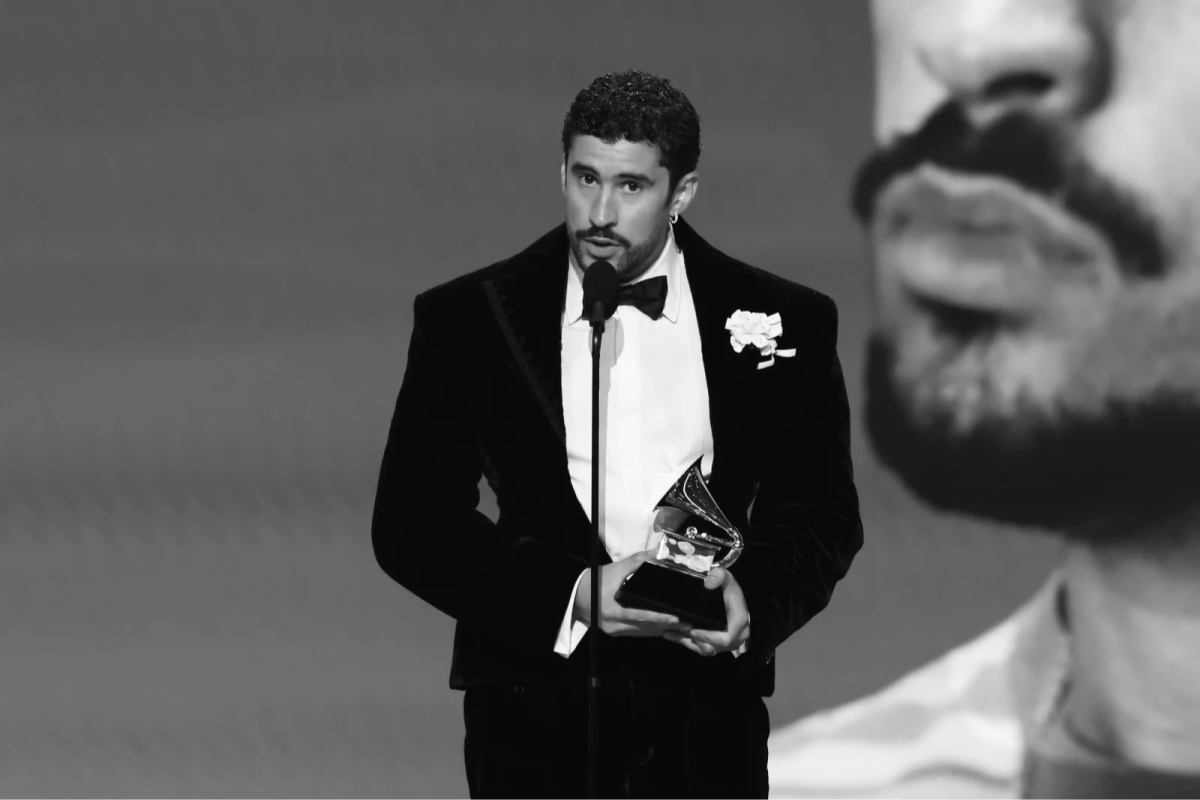
The night was punctuated by profound expressions of emotion. Lola Young’s acceptance speech for Best Pop Solo Performance was riddled with expletives, effectively conveying her shock and gratitude. Justin Bieber’s performance of “Yukon” in nothing but bedazzled boxers and scrunched-up gray socks struck a balance between bizarre and intimate. A moving In Memoriam Tribute to musicians lost in 2025, including D’Angelo, Ozzy Ozbourne, and Roberta Flack, featured Reba McEntire, Lauryn Hill, Post Malone, and several other artists. And one of the most charged moments came when Album of the Year was announced by Harry Styles — Bad Bunny, receiving the award for his sixth solo album, “DeBÍ TiRAR MáS FOToS,” remained seated for several seconds after his name was called, processing the moment with tears in his eyes.
Each year, awards fuel a high-intensity period of controversy, when fans decide who was “robbed” and artists receive backlash for their style or statements. But the high-quality humor (which elicited lawsuit threats from the Oval Office this year), high-energy showcases, and high-performing musicians of “Music’s Biggest Night” always deliver, attracting millions of music-lovers across the world.