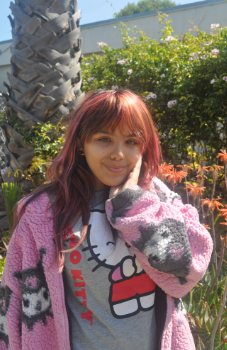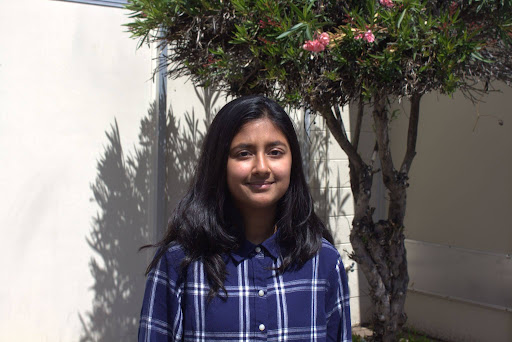
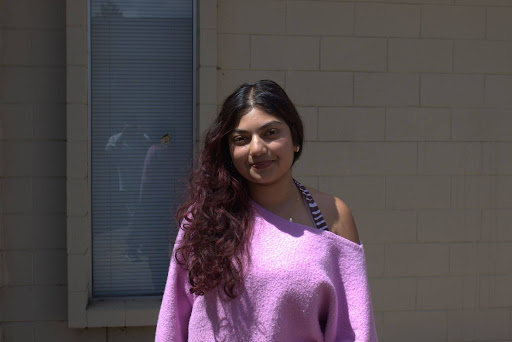
ANIKA MANGLA (12): I wrote a book called Embers and Flames. It is a cultural research and survivor interview–based poetry book.
Essentially, I wanted to make this about the narratives of people within our community, specifically people I met through volunteering at different organizations. A lot of this process involved hearing the stories of people I worked with in domestic violence shelters and sexual assault survivor groups. I heard how many of their stories have been silenced in their own lives. So I took their experiences and transformed them into poetry. I wanted their stories to be shared, which is something they also wanted, but were often afraid to do on their own because it is very personal. I aimed to present their stories through a lens shaped with their permission. I spoke with them throughout the process, and they were a big part of my writing.
I think the most difficult part was making sure I stayed true to people’s stories and avoided overgeneralizing their experiences. It was challenging because many of them wanted to remain anonymous, so I couldn’t include too many personal details. At the same time, I wanted the work to feel authentic to them, so that when they read it, they would recognize their perspective and feel that they helped shape it, without others being able to identify them. Balancing that was difficult.
I was sponsored by an organization I work with called Youth Speaks in the Bay Area. They helped cover the costs of my editor and publisher, and they also supported me throughout the editing and publishing process. I published the book through Kindle and Amazon, so it is available on all Amazon platforms.
I learned a lot about how different everyone’s lives are, but also that everyone experiences struggles and ups and downs. It taught me not to judge a book by its cover or assume what is happening in someone’s home, because you never really know. It also taught me to have humility and to show humanity toward others, even if you don’t know them.
I hope readers can find a sense of belonging in the poems. The book explores cultural violence and gender-based violence, but it also touches on growing up and being a teenager. I hope readers can find comfort or feel seen during a difficult time in their lives.
I think I have always been a poet in some way. In my 11th-grade class with Miss Chung, we had to complete a passion project, and I used that opportunity to rediscover my love of poetry. I hadn’t written in a while, but she encouraged me to share my work and try slam poetry. From there, I realized how powerful it is to speak about these issues, especially since so many people suffer in silence. Poetry can help people feel seen and understood, so I wanted to bring that feeling to a broader audience beyond just the slams I attend.
I would 100% recommend that others get into book writing. The arts, and the confidence it takes to share your work, teach you so much about yourself. You never know how your work might resonate with someone, but it almost always impacts at least one person in a meaningful way. It can shape or change their life, which is an incredibly rewarding and beautiful feeling, knowing that people feel inspired or less alone because of something you created.