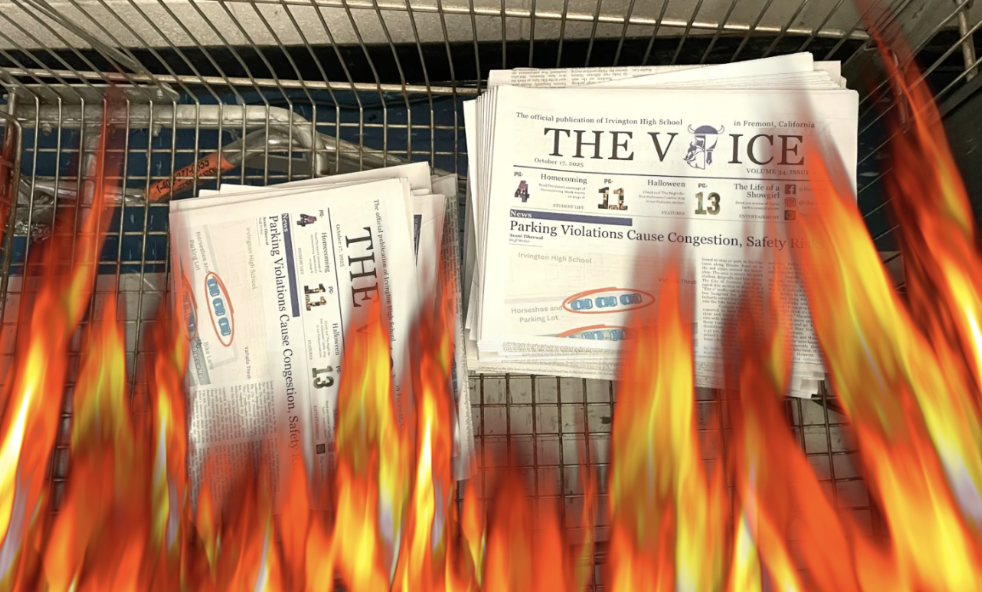
This year, the Irvington VOICE staffers and editors invited students and teachers to submit comments on the school newspaper. Participants commented, occasionally critically, occasionally positively, on, among other sections, proliferation of news focusing on national and international politics. These articles brought attention to major events that have occurred nationally over course of the year, but downsides include the repetition that comes with hammering home the destabilized nature of world politics, rendering them abstract. Inclusively, because of the format the school newspaper necessitates, readers relying on the VOICE find it difficult to get valuable updates and follow-ups on depicted events. Furthermore, the focus on high-stakes and despotic events that have occurred in the world can lead to an imperfect view of international politics in general – not in the least because it limits the possibility for optimism in the face of constant democratic crisis.
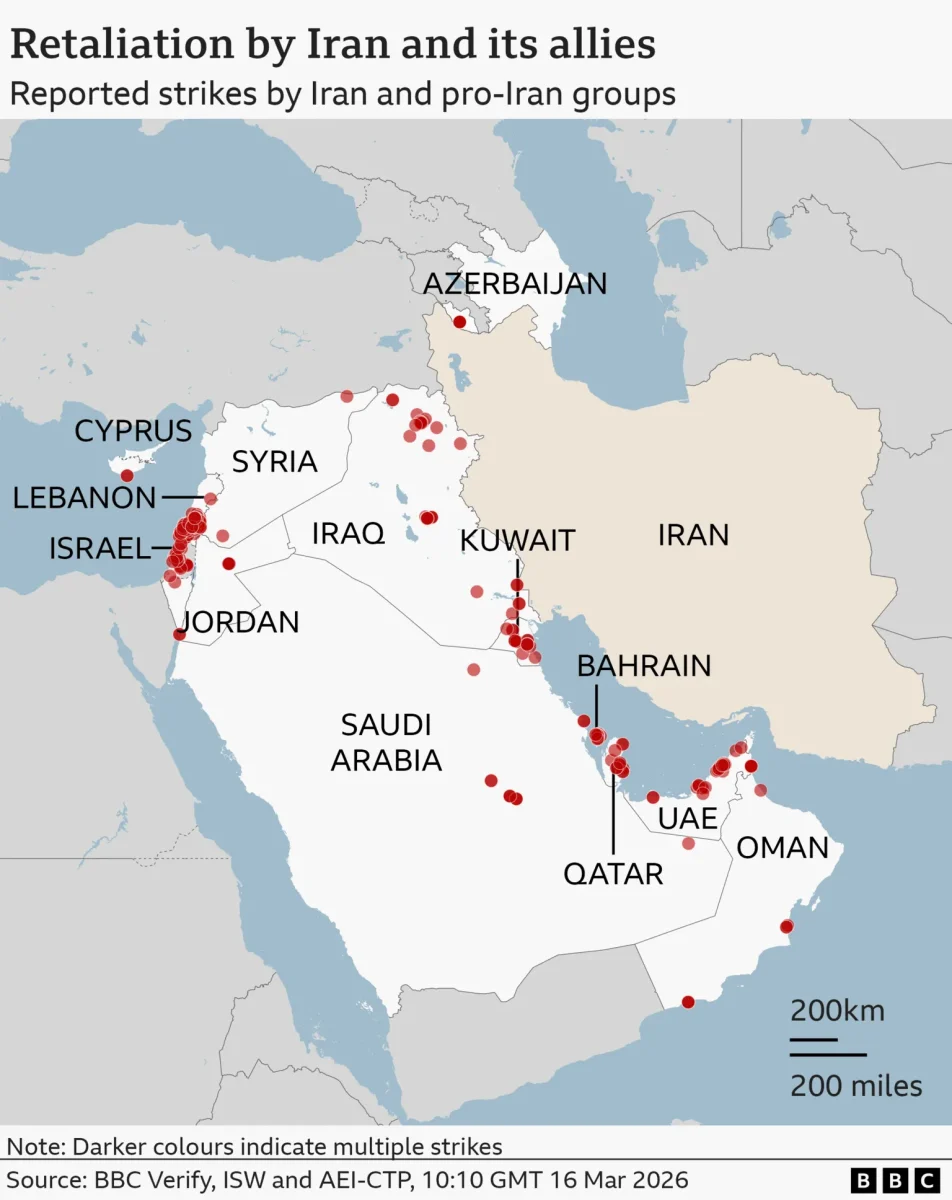
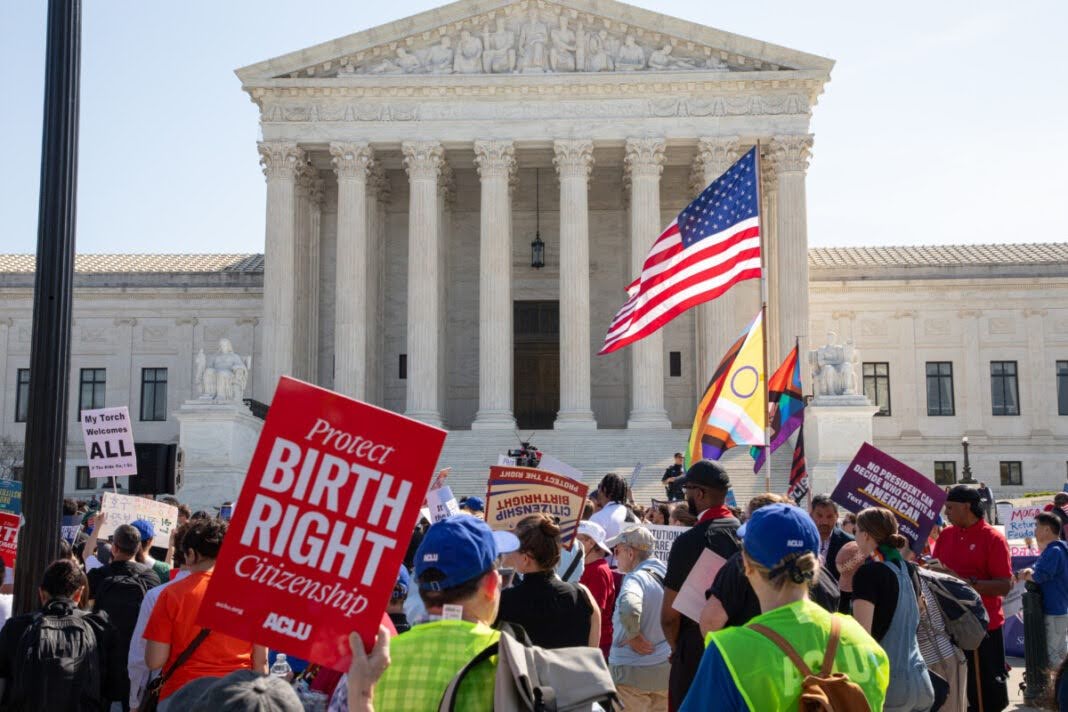
A focus on threatening worldwide news provides a hopeless outlook onto the world stage and its events. This is hardly to say the VOICE should whitewash dire coverage, but that doing this perpetrates an idea of unresolvability on world issues. Of course, authoritarian tendencies have risen in the U.S. executive branch, and its reaches of power have been especially damaging in intent. The VOICE has covered a fraction of these overreaches: the Iran War, the capture of Venezuelan President Maduro, and ICE among them. And outside the scope of the U.S., continued wars in Gaza, South Sudan, and beyond, interfere with one’s hopes for a democratic and peaceful future. But that does not preclude the fact that victories have occurred, and function as guide for paths forward. Elections in Moldova, Romania, the Netherlands, and Australia proved to be successes for democratic policies and government systems, despite efforts of election interference, false claims of voter fraud, and outside forces attempting to campaign for conservative factions within the country (Pleșca Laurențiu, “How To Help Moldova Secure Its Fragile Democracy,”; The Guardian, “Centrist Nicuşor Dan defeats far-right rival in Romanian presidential election”; and Amanda Coletta, “In Stunning Comeback, Carney’s Liberals Win Canada’s Federal Election” in The Washington Post)
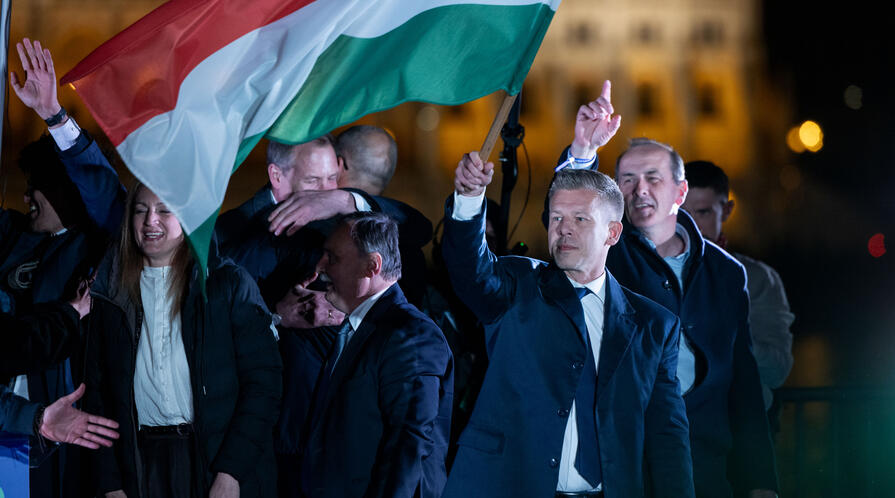
One of the beacons of hope has been Prime Minister Viktor Orbán’s departure from his post in Hungary. As Prime Minister, Orbán self-proclaimed to be building an “illiberal state.” To do so, he hollowed out democratic systems in Hungary through dismantling checks and balances, radical gerrymandering, appointing party loyalists to the courts, and consolidating the country’s media under himself and the Fidesz party (NPR). To this point, his Prime Ministry has been pointed to as a textbook example of democratic backsliding (“The New Despotism,” “How Democracies Die”). His efforts to “uphold our country’s ethnic homogeneity and cultural uniformity” extended to passing bills banning any assembly that “promotes homosexuality” or discussion of LGBT topics in schools, the latter bill being one that Florida would copy from nine months later after “watching the Hungarians” (The New Yorker). However unfortunate these facts, however, he was overwhelmingly voted from office this May. It is possible his successor is not overwhelmingly better on a liberal standpoint, as the new Prime Minister Peter Magyar has only been a recent breakaway from Orbán’s block. But Magyar’s interest in rebuilding the same media and political freedoms that Orbán sought to dismantle has made Hungary’s future exceptionally brighter.
There is value in depicting politics even within – or really, especially within – school settings. Introducing teenagers to political events is always a benefit, because of how it enforces civic education within public school communities. But that does not mean that political articles are perfect, especially when the same articles are not picked up on, elaborated on, or expanded in future issues, forcing students to do self-research. And while some students may choose to do outside research after reading VOICE articles regarding political and international events, many do not, giving them an incomplete image of how these political events are actually unfolding. All of this coalesces into a degree of misinformation – hardly the VOICE’s fault, and difficult to prevent given its circulation schedule, but still in existence. Nor is the purpose of this article to diminish the VOICE’s prior coverage of political events, wars, turmoil, and shifts; all of the reporting on the prior issues, from ICE to the Iran War and beyond, is vitally important. Instead, it is only worth acknowledging that the coverage of horrific activities worldwide can lead to a single-sided way of looking at the complex realm of international politics. The VOICE has written articles on the rise of authoritarian tendencies both in our government and in those around the world, but it is just as worth noting that as authoritarianism rises at home, so too is it being fought overseas. That provides hope, and as the chance Americans – as we have before – learn from example.