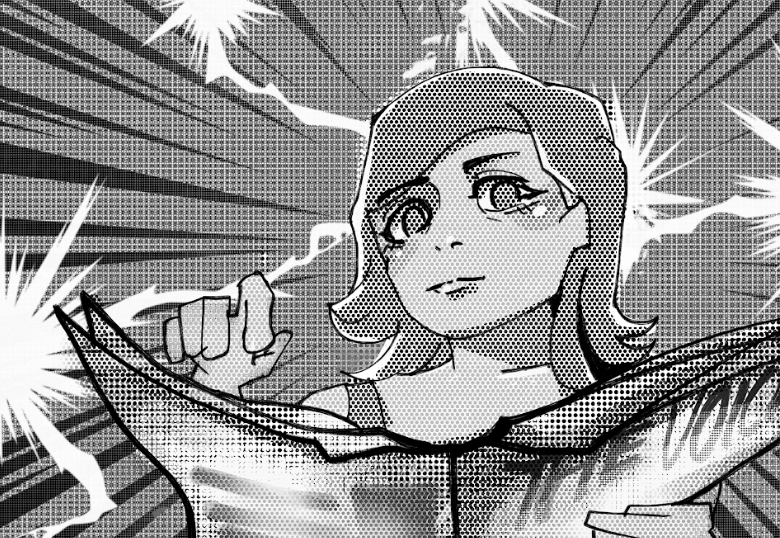

When Riot Games revealed that a League of Legends: Wild Rift advertisement used fully AI generated animation, the internet lit up in debate. For many, it was a clear sign of how quickly companies might abandon human creativity for cheaper, faster alternatives. The backlash echoed earlier controversies, like Marvel’s AI made opening sequence for Secret Invasion or Netflix’s short The Dog & the Boy, which replaced background artists with machine made backgrounds. Each case showed that audiences weren’t impressed, in fact, they felt somewhat cheated.
AI image generators like MidJourney and Stable Diffusion work by pulling and remixing from the work of millions of real artists, usually without permission or pay. Still, millions of people use them because they can spit out ten pictures in seconds. But quantity does not equal quality. Even casual, non-artistic audiences can spot the mistakes: characters with seven fingers, jewelry melting into skin, materials twisting in ways that defy physics… When used in professional settings, these flaws are so strange looking that they break immersion.
The intent behind the work is another problem. Artists design with a certain purpose in mind, whether that’s building emotional resonance or communicating their story through certain visual choices. AI does not “intend” anything. It mirrors patterns without understanding them fully, which is why the Secret Invasion intro felt incredibly hollow to many. In stark contrast, projects like Arcane or Breath of the Wild succeed because every visual decision, from the composition to color, was shaped by people with a specific vision.
Not every studio is rushing to replace artists though. Sony Pictures Animation tested AI tools during the making of Spider-Man: Across the Spider-verse, but only to handle repetitive technical tasks. Additionally, the unique look of the film came from hundreds of artists pushing their creative boundaries and not from a pre-designed algorithm. Alongside this, Nintendo and Blizzard have also kept their art teams at the center of production, showing that companies can resist the pressure to cut corners.
In the end, artists looking for work shouldn’t panic, as most employers will realize their irreplaceability. AI might flood the market with cheap imitations, but art with intention will always outshine that convenience. It’s what audiences connect with, after all.