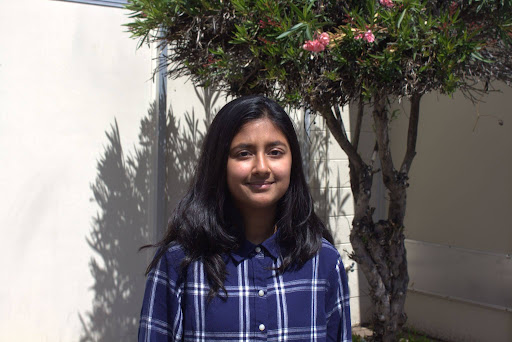

“I do 2D non-fiction animation and also some stop motion. I really like using clay and physical mediums, as well as doing my 2D animation using cut-outs of things I draw in real life. It feels more tangible than digital 3D animation, especially in the age of AI. For me, it’s all about embracing the process rather than just having a computer do something for you. I think it makes the work more meaningful.
Of course, that process isn’t easy. It can be frustrating because it’s time consuming, but that also makes it more special. I can remember the moments when I was making art, and it’s a way for me to unwind.
I grew up watching animated films, and I never stopped. I still watch a lot of them.
My art definitely reflects my personality. I channel whatever I’m thinking about at the moment. It’s interesting to look at my old work and see where I was in my visual language, and then see how my ideas have matured as I understand more about the world.
I’m especially drawn to old photographs and destroyed film. Over the summer, I experimented with recovering damaged film. I would take a knife or nail polish to it, destroy it even more, and then scan it. Seeing the rot visually was fascinating. I’ve noticed this trend in my work: a lot of green and orange. I actually hate those colors, but visually, I like how they look.
The first step in my process is research. My most recent work was about languages, so I interviewed bilingual people from different communities who spoke Russian, Farsi, and other languages. It’s about getting informed about the subject matter and then channeling that into what I’m making.
The scale of a project changes its timeline. A five-minute film might take three to five months, whereas a GIF might take a week or two. I like to animate “on fours,” which means I hold each drawing across four frames instead of redrawing for every single frame. It saves time, but it also gives me the organic look I’m going for.
For new animators, my advice is to look at media beyond Disney or Netflix. Animation is just the study of moving objects and moving people, so inspiration can come from anywhere: stop motion, damaged film, even things most people wouldn’t consider ‘animation.’”