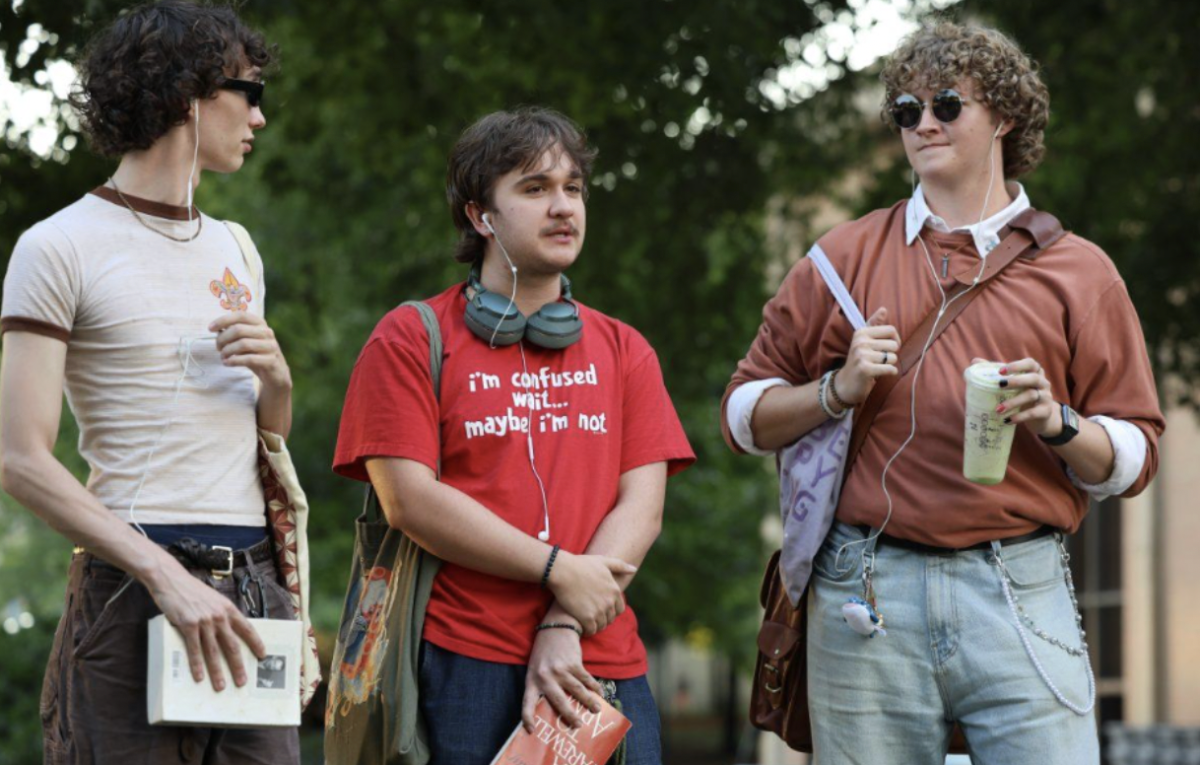

In 2023, “The View” host Whoopi Goldberg publicly criticized young Americans for complaining about having a job to be able to afford to buy homes, saying, “I’m sorry, if you only want to work four hours, it’s going to be harder for you to get a house. We had to bust our behinds to get where we are today.”
The situation raised public backlash, with many pointing out that Goldberg is an actress who began her career in the 1980s and now has a reported income of $80 million, making her statements seem out of touch. It begs the question: why do young people today seem to have more negative attitudes toward work — and are they really unwilling to work as hard?
According to the U.S. Bureau of Labor Statistics, the unemployment rate for college graduates seeking to enter the workforce reached a 9-year high in 2025. In another report published by researchers at the Burning Glass Institute, economists find that 20-24 year olds with bachelor’s degrees are experiencing the most extreme levels of unemployment historically, attributing this partially to a labor market with an oversupply of college-educated individuals competing for too few entry-level positions.
Additionally, the rise of student loan debt is contributing to the challenging environment for young adults trying to find employment. For the class of 2024, the average federal loan debt for a bachelor’s degree graduate was almost $30,000, placing an additional financial burden on young graduates as they enter a competitive job market.
Creators on the Internet have expressed their frustrations with navigating these challenges after graduating. In a TikTok video that has reached 1.3 million people, one user says, “I’ve been laid off [for the past nine months], applied to 700+ jobs, 30 interviews, no offers, and rent is due again.”
It’s clear that Gen Z isn’t just choosing to avoid work — they’re navigating tough job prospects — and simply “working harder” isn’t producing better outcomes.
There have also been cultural shifts that influence how Gen Z views work. In a study published by the World Economic Forum, 73% of Gen Z employees want permanent flexible work alternatives, which include characteristics like a combination of at-home remote and on-site work, differing from the traditional 40-hour, 9-5 schedule.
Gen Z has seen the detriments of the 9-5 culture firsthand as they watched older generations have faced burnout and a lack of work-life balance. Growing up during the Covid-19 Pandemic has also showed that it’s possible to have more flexible work options
In Goldberg’s original comments, she noted that “all generations feel this way at some point.” It’s fair to say that every generation has also faced economic challenges — take the period of stagflation in the 1970s caused by oil crises from OPEC or the 2008 recession, for example.
But Goldberg overlooks a key point; the costs of living have risen faster than wages, making today’s challenges harder to overcome. The U.S. Department of Treasury reports that more than 90% of Americans live in counties where median rents and housing prices grew faster than median incomes from the year 2000 to 2020. It also reports that the costs of housing, education, and childcare stand out for their increases in price, which has affected young Americans’ decisions to buy homes and start families.
Americans have looked toward jobs to buy homes, save, start families, and build stability in their lives. If this is no longer the case, why are people now shocked that Gen Z’s attitudes toward jobs have changed?
Gen Z’s perspective on jobs isn’t rooted in a sense of entitlement; rather, it’s more so a response to the unique challenges that this generation of youth is facing. And instead of dismissing these concerns or patronizing youth, our society should rethink our standards for what employment looks like.