
Editor’s Note: This article is based on independent research and testing conducted by The Voice. The testing methods used are meant to provide preliminary, observational data. For definitive analysis, a certified laboratory procedure should be used.
From October 30 to November 4, 2025, The Voice surveyed 60 Irvington students about their perspectives on school water fountains. The results of the poll revealed students’ concerns, with 45% of students noting that the physical cleanliness of the water fountains greatly influenced their decision not to use them. One-third of student responses noted that lead or other chemical concerns greatly influenced their decision not to use fountains.
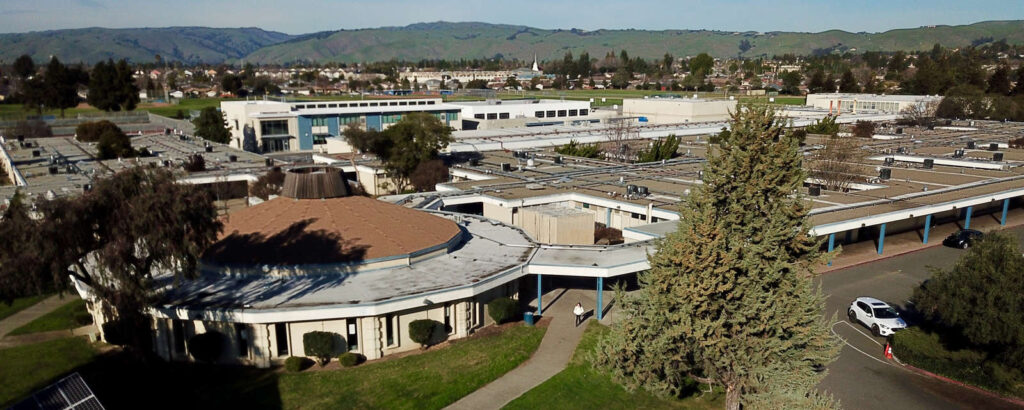
Following the survey, The Voice used a Varify Water Test Kit to test water fountains at locations around the school’s campus for alkaline levels, chlorine, and hardness.
Varify’s testing kits are EPA-compliant, meaning that they meet the Environmental Protection Agency’s standards for measuring specific contaminants. The kit included water test strips, which, when dipped in water and analyzed, determine parameters including pH, hardness, presence of lead, total chlorine, and total alkalinity. It also included a test with nutrient media, which when added with water, are designed to detect the presence of total coliform, or large collections of different types of bacteria.
Testing strips were used at water fountains at the Courtyard, Big Gym, Freshman/Senior Hallways, and the Science Building. Based on student responses from the poll, with 31 students noting that they avoid the Gym water fountains and 35 students noting that they avoid Freshman and Senior Hallway fountains, the coliform bacteria tests were used on fountains at these two locations.
No coliform was found in the Gym fountain, and the test also indicated negative for the Freshman and Senior Hallway fountains. As for the other fountains, most all the parameters were met, except for the Gym and Hallway fountains. In the Gym fountain, Sulfate was 400 ppm, which is greater than the acceptable range, and a total alkalinity at 0 ppm, which is less than the acceptable range. In the Hallway fountain, the hardness of the water was at 250 ppm, which falls in the “very hard” range. Although the water is still safe to drink, the discrepancies may alter the taste, which several students cited concern.