The 2025 elections proved one thing: the youth cannot be ignored. Across major cities and states, young, progressive voters flooded the polls, reshaping outcomes and defying expectations. National data from early turnout reports showed youth participation rising by 3-5 percentage points compared to both the 2020 and 2024 cycles (Nearly Half of Youth Voted in 2024), and swung towards progressive candidates and policies. In the most recent and closely watched elections, progressive candidates and policies won.
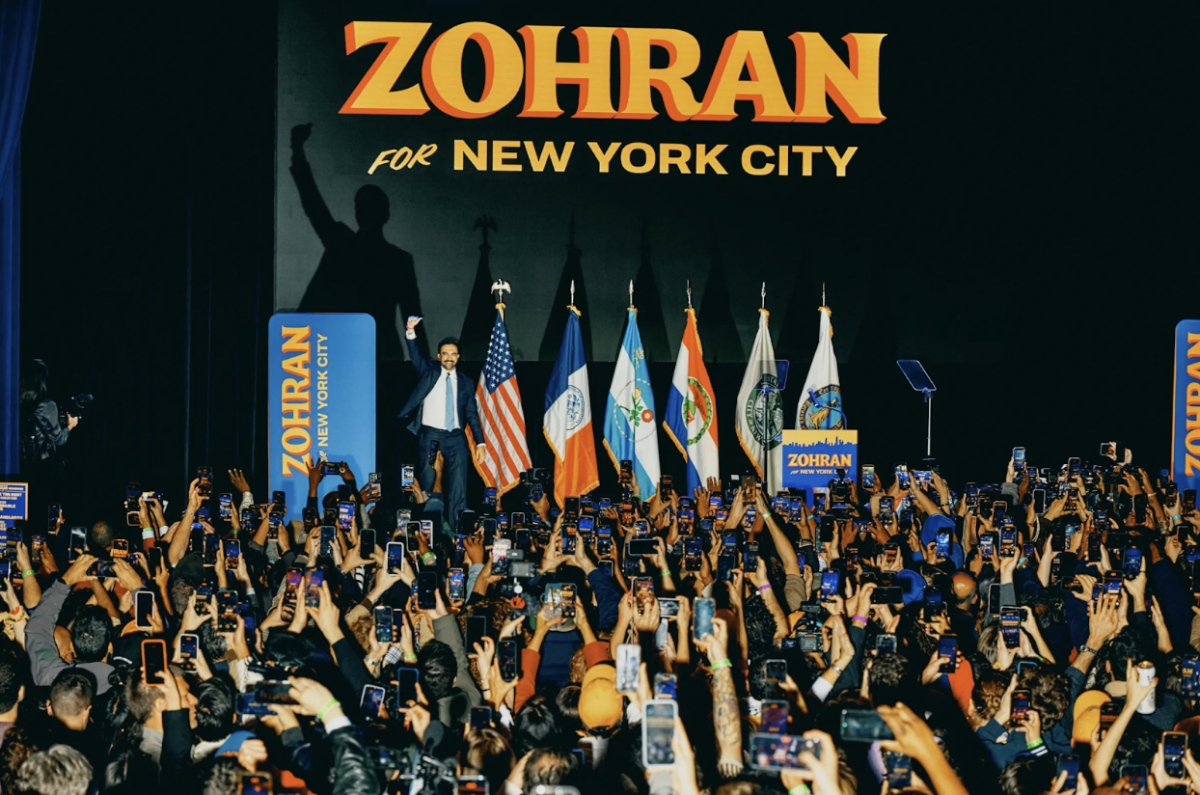
In New York City, former Assemblyman Zohran Mamdani’s victory in the mayoral race represented a significant shift in urban political engagement. Mamdani won 1,036,051 votes just over the halfway mark, out-performing former Governor Andrew Cuomo, who ran as an independent and captured 41.6%. The total turnout exceeded 2 million voters, the highest in a mayoral election since 1969. Notably, young voters ages 18-29 comprised a substantial portion of Mamdani’s base. Roughly 28% of eligible young voters cast ballots and about 75% of them supported Mamdani. Compared to the 2021 mayoral election, when turnout overall was around 23% (Young Voters Power Mamdani Victory), this represented a remarkable surge. Mandani’s strongest support came from racially diverse neighborhoods, renters and transport dependent communities, emphasizing how younger, working class votes helped shape the outcome. His platform of rent freeze, free public transportation, and city-run grocery stores clearly resonated with a constituency that has historically been underrepresented in local elections.
Virginia’s gubernatorial race further illustrated this trend. Abigail Spanberger, elected as the state’s first female governor, won with 57.5% of the vote, a 15 point margin over her opponent. Youth turnout increased from 27% in 2021 to 34% in 2025 suggesting that younger voters were more engaged than in previous cycles. While Virginia is traditionally a swing state, Spanberger’s win showed increased young voter turnout to support her economically focused platform over her social conservative opponent marking a historic shift for the state.
California’s Proposition 50 offered a different but complementary example. The measure, which allows new districts favoring Democrats until 2030, passed with approximately 64.6% support. While direct age-specific data is limited, pre-election surveys indicated that about 80% of voters aged 18-29 supported the proposition, along with 71% of Latino voters. Compared to previous statewide initiatives, this shows that younger voters are not only participating but also favoring structural reforms aligned with progressive policy priorities.
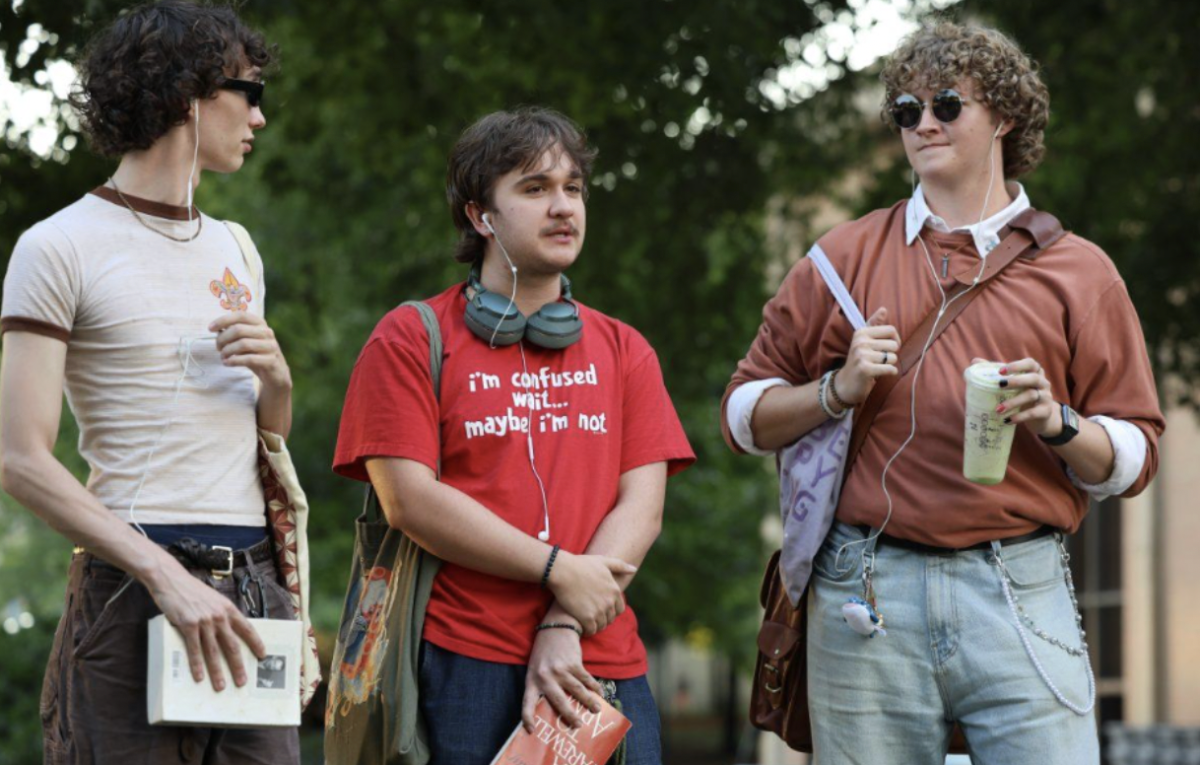
Taken together, these results point to a broader pattern. Across different regions and types of election — mayoral, gubernatorial, and ballot measures — younger and more diverse voters are turning out in high numbers and supporting candidates and policies with progressive platforms. Compared to the prior election cycles, these shifts suggest more than temporary fluctuations; they indicate a potential generational realignment. This change is emerging now because young voters are facing harsher economic pressures such as raising rent, student loans burdens and stagnating wages making policy stakes feel more immediate than in 2020 or 2024. Additionally, the post-pandemic years have seen Gen Z’s political participation strengthen during periods of economic uncertainty. While it remains true that local and state elections are influenced by unique factors, the consistency of increased youth turnout and progressive support across multiple contests signals the emergence of a politically active cohort that could shape future national trends.
In sum, the 2025 elections are not just isolated “blue wave” victories. Across executive races, local elections and statewide ballot measures, young voters consistently reshaped outcomes in favor of progressive candidates and policies. Together these results signal the emergence of a generation whose political influence is currently redefining the direction of American elections.