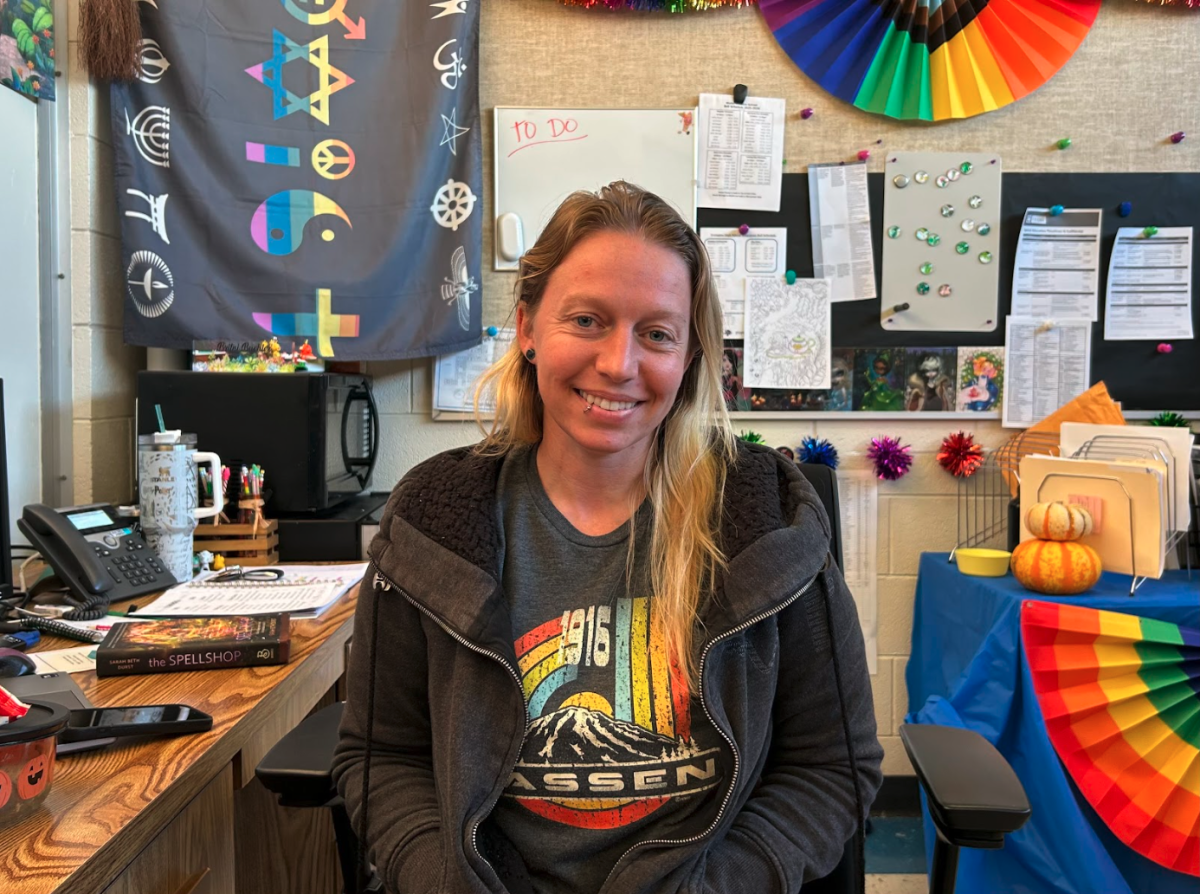
As a school psychologist, I tend to do a lot of assessments as well as counseling with our special education students. Working with students directly is genuinely fun, especially getting to know more about them and their interests. In my role specifically, I do a lot of cognitive testing, and that lets me see how they learn and where their strengths and weaknesses are. That part is always fascinating.
Parents also get involved with what I do as a psychologist. We have IEP meetings, Individualized Education Program, which is a plan that outlines the special education services and goals for a student. In these meetings, I talk with parents, teachers, the student, and anyone else on the team so we can figure out what support will help the student do their best in school and in life. I also conduct parent interviews to include their insight about the kid when they’re at home, which is a big part of understanding the whole picture.
One of the biggest challenges I run into is student attendance. I might have an entire day planned out for testing or observing a student, and then they’re simply not here. Since so much of what we do depends on students being present, even one absence can throw off their entire schedule, and there’s really no way to get around that.
Stress is also a major issue I see students dealing with. Sometimes it comes from themselves, from parents, or from the pressure into college and taking advanced classes. Add in too many extracurriculars, because they’re told those will look good on applications, and it becomes very overwhelming. If they don’t have the time to put your full self into all of these things, it can be hard to manage your time. That eventually turns into them taking a hit on their mental health and their academics.
If I were to give students advice on improving their overall mental health, I’d start by saying that staying on top of your work makes a huge difference. When assignments start piling up, the stress starts building quickly, so avoiding procrastination really does help. I also tell students not to take on more they can realistically handle. A lot of stress comes from expectations, so it’s important to set yourself up for success by choosing a workload and responsibilities that you can manage without burning out.
Students can usually find me in Room 46. I’m here most of the time, although I do work at another site too. But when I’m on this campus, I’m here all day, and students are welcome to come by and talk about their mental health during the school day.