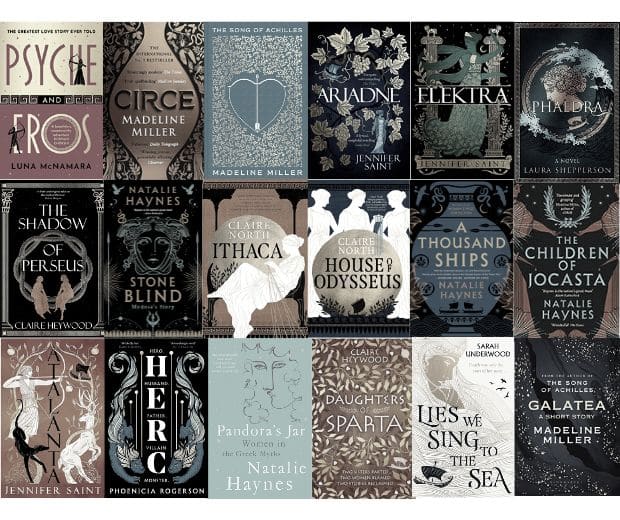
Memes and trends have taken the internet by storm, rapidly spreading across short-form social media platforms. Short-form media has brought six-seven, Italian dance, and memes archaic and fresh to popularity, but short-form content itself has fallen short of its closely knit companion — long-form media. Long-form media has made its revival from the dead, and it just might be the right course of action for this day and age.
When anyone is asked about long-form and short-form media, a few things come to mind. Long-form media is typically content that is more detailed and extensive than short-form media which is brief for the purpose of quick consumption. Most long-form media include novels, documentaries, and standardized shows and videos that are over ten minutes. Short-form media platforms such as TikTok, Instagram Reels, and YouTube Shorts have become increasingly popular in recent years. According to Jeffrey Gottfried, an associate director of research at Pew Research Center, 37% of U.S adults use TikTok. But as of 2025 long-form content and media has made a long-awaited comeback.
Long-form media is the current trend of 2025. As experienced web content creator Arooj Ahmed shares that 73% of people spend their time on YouTube watching videos over 30 minutes long as opposed to 27% of people watching videos under 30 minutes. The COO (Chief Operating Officer) of Social Media Pro, Wednesday Reynolds states, “In a sea of sameness, longer content stands out, not by being louder, but by being different. More thoughtful. More useful.” This means that long-form content is becoming popular again due to it being more thoughtfully made. Reynolds also states that viewers have become smarter and can tell when something is clickbait and have gotten sick of it, now responding to creators who respect their time and intelligence with good content. Long-form media also comes with a lot of perks. Senior Content Writer at Network Solutions, Diana Alcanzar states that long-form content boosts search engine optimization efforts which offers longer audience engagement and online visibility. Longer forms of content also gain trust from the customer, viewer, or reader, creating long-term engagement and loyalty. Arma and Elma, a full-service digital marketing agency, has reported that BuzzSumo — an online content analysis tool — has found that long-form content receives 3x more backlinks than short-form content. Not only is long-form content good for developing credibility and brand identity, it also improves the audience’s education since they are able to gain deeper, more detailed information as compared to short-form media, which is often more fast paced, making it difficult for the brain to process.
Some might argue that short-form media fits the flow of the current human lifestyle with everything being more online. Yes, short-form media does have its advantages such as the ability to catch the viewer’s attention, as Marketing LTB reports that videos under 90 seconds have a 50% viewer retention rate. But it also creates problems regarding the development of its viewers. According to “It’s Not Just Gen Z — All Ages Are Being Hit Hard by This Damaging Side Effect of Social Media” a New York Post article, researchers have found that stimulating and fast-paced content contributes to becoming less sensitive to more effort cognitive tasks such as deep learning, reading and problem solving. It also has shown to gradually weaken the brain’s ability to focus on a single task, resulting in a weaker attention span. New generations losing their ability to focus for long periods of time can deeply affect their daily lives and performance in other activities such as their focus and attention in school. In short, short-form content also can’t develop ideas or as much depth as long-form media.
While there still might be some people who think short-form content is better than long-form content, the real issue here is not which one is better, but which one fits the current human lifestyle. With life being busier, what people need most isn’t even more fast-paced stimulating content but slower, longer and deeper content. Even with the overwhelming amount of short-form content, long-form media is slowly but steadily making its long-waited comeback.