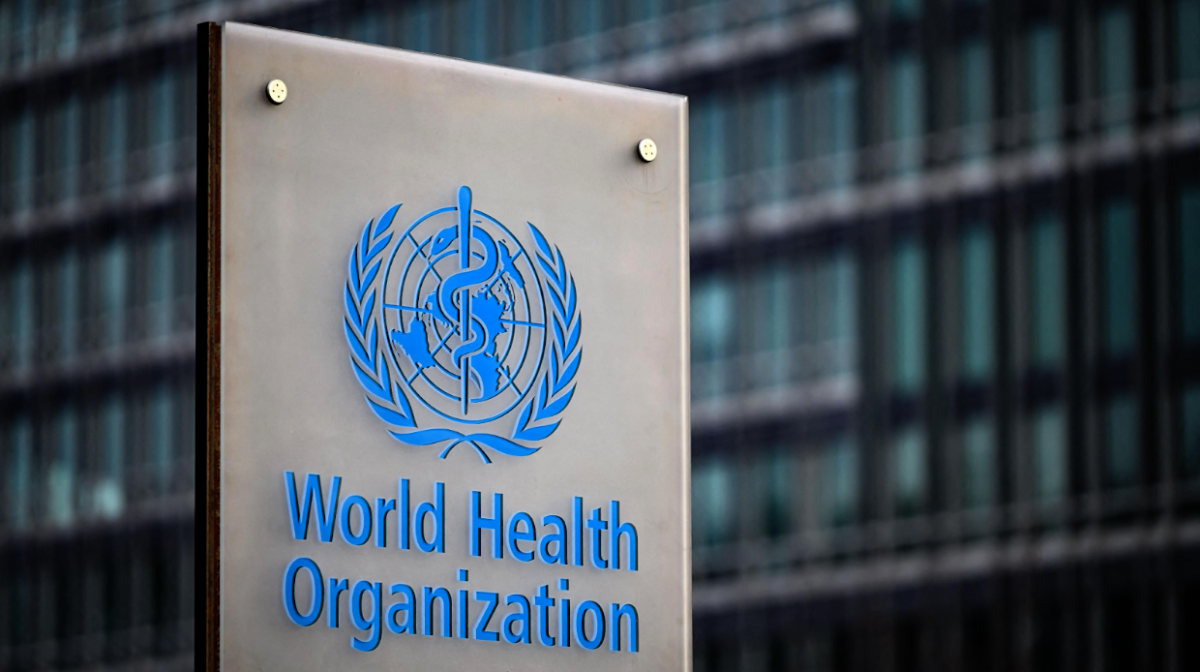
On January 22, 2026, the United States officially severed its ties with the World Health Organization (WHO) with the completion of Executive Order 14155. This order was initially put into action on January 20, 2025 by Donald J. Trump. While the order is being hailed as a victory for America and independent sovereignty by rejecting “unfairly onerous” financial burdens, the reality is far bleaker. By exiting the WHO, the U.S. hasn’t simply saved hundreds of millions in tax dollars; it has effectively rendered itself defenseless to the next global health crisis.
The federal administration’s primary grievance, which was the WHO’s passable handling of COVID-19, acts as not much more than an excuse for overstepping executive power. While the WHO is not paramount to receiving feedback, abandoning the world’s most advanced and influential vaccine-development and disease surveilling network simply due to past disagreements is no more useful than cancelling a fire insurance policy because you did not appreciate the speed in which they extinguished the last blaze.
Additionally, the U.S. previously provided 15% of the WHO’s funding. Without those funds, global efforts to combat polio, malaria, and avian flu will be significantly stunted. But instead of the WHO being simply defunded, a need is being created, one that geopolitical rivals are more than happy to fill.
However, the federal departure was met with resistance from the West Coast. Only one day after the formal exit, Governor Gavin Newsom met with WHO Director-General Dr. Tedros Ahdanom Ghebreyesus at the World Economic Forum.
In a rather unprecedented manner, Newsom declared California as the first state to join the Global Outbreak Alert and Response Network (GOARN). While California lacks voter rights due to not being a sovereign nation, its entry as a technical partner allows it to coordinate with international labs, eliminate the threat of federally-inflicted isolationism, and utilize its high Gross Domestic Product (GDP) to keep up the current status quo of funding to the WHO.
This creates a rather bizarre and contradictory spectacle with California taking a spin with foreign policy, further proving that in a globalized world, isolationism is not an entertainable option. Exiting the WHO has surrendered our voting rights and our seat at the table where global health standards are set. This plays into a far larger, more nefarious trend of retreating from the world stage right as contagions become more mobile.
The WHO being mediocre in its handling of a specific crisis does not justify a total withdrawal in any shape, sense or form leaving us with no validation for leaving ourselves vulnerable. When the next pandemic hits, the federal government may find that sovereignty is a rather poor substitute for a vaccine.