
The cost of higher education has always been a worry among many families in the United States. According to an article on the expenses of college tuition, the average family paid $31,000 for their undergraduate student for the 2024-2025 school year.
In recent years, these concerns have been magnified by the Trump Administration’s federal funding cuts to the Department of Education (DoE). An executive order issued by President Trump in March directed the Secretary of Education to facilitate the closure of the Department. Although the actual demolition of the DoE cannot take place without the approval of Congress, many other decisions were issued that severely hurt the key functions of the department, such as issuing student loans.
In May of 2025, the budget proposal for the 2026 fiscal year called for a 15% funding cut to the DoE. These changes have resulted in Free Application for Federal Student Aid (FAFSA) delays and placed Pell Grants and other forms of financial aid in jeopardy, which raises concerns about how students will afford higher education in the future.
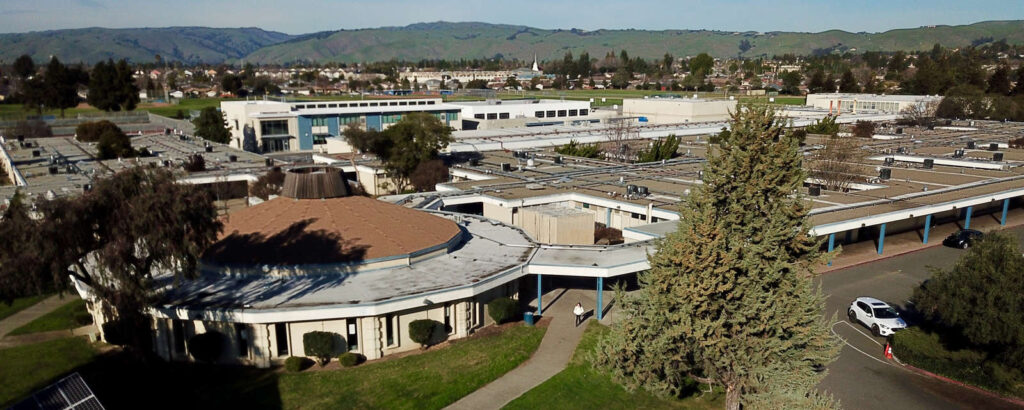
At Irvington, some teachers have reflected on how these changes may impact students applying to college. AP World History teacher Mr. Vucurevich expresses that while students have not directly voiced their concerns to him, he believes that these cuts will have long-lasting impacts on students in the future.
“Federal student aid has a massive benefit to our society,” he said. “It provides an opportunity for our society to be more skilled, to be more connected, and to be more aware, which I think is really powerful.” Federal student aid is a significant federal expenditure; the investment is relatively efficient and profitable in the long run. A study on the Return on Investments by the Foundation for Research on Equal Opportunity (FREOPP) explains, “for the median bachelor’s degree program, completion-adjusted ROI is nearly $160,000” (Cooper). The report mentions that while costs can be high, the payoff shows college “is still positive” for most students and for the economy.
He also voices his concern regarding the prospect of high-interest private loans replacing federal programs. He notes that these loans may make it harder for students to have a better quality of life, especially because high-interest loans do not cover living expenses or books.
Mr. Vucurevich also explains that teachers can offer little practical help with counseling resources, emphasizing instead that support should come from the community, “We have a very self-interested community . . . I really think this ought to come from the community, a very wealthy community with a lot of connections and a lot of high expectations for students, for them to step up and fill the role.”
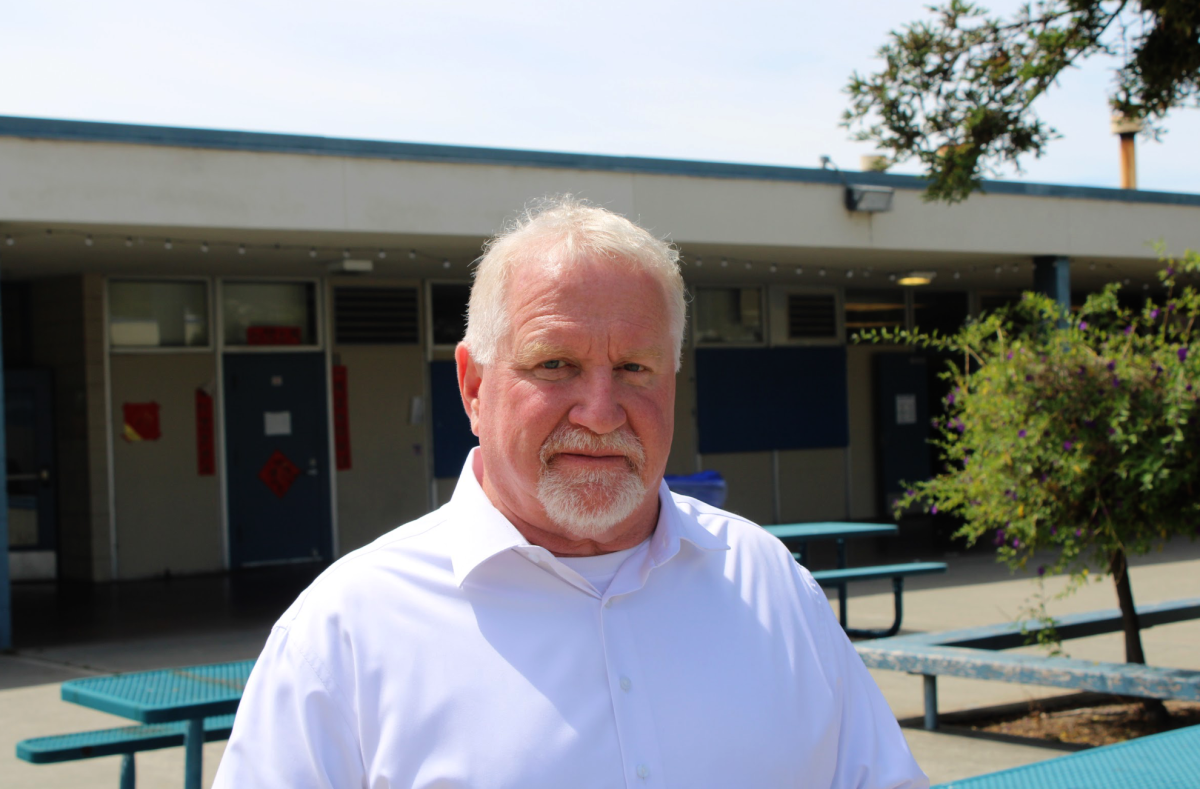
Mr. Einfeldt, who also teaches AP World History, acknowledges that Irvington students might not be as severely affected as students in other regions. “Fremont is a fairly wealthier area,” he said. “I think it’ll affect a lot of kids in lower-income areas big-time, I don’t think it will dramatically hit Fremont kids or the Bay Area too much compared to Central California.”
He acknowledges that the financial restraints may impact certain students’ decisions to pursue a higher education.
While the effects of the Federal Funding cuts have yet to have an effect on the students of Irvington High, both teachers agree that without stable federal support, paying for college will become more difficult, which may cause more differences between wealthy and low-income students to grow wider.