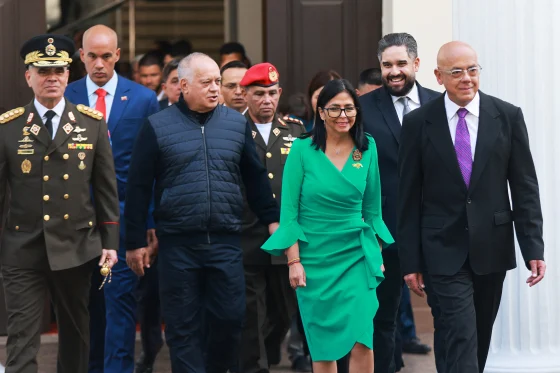
Following the capture and removal of Venezuelan President Nicolas Maduro on January 3, 2026, by U. S. Special Forces, the nation is in a state of political transition. Across Venezuela as a whole, the event has prompted widespread celebration by Venezuelans awaiting democratic reform. The country has since sworn in Vice President Delcy Rodríguez as Maduro’s successor. A report by NBC News has indicated that “the government is cracking down on any new signs of dissent, arresting people they said celebrated Maduro’s capture by the United States military.”
Despite hopes for regime and policy changes or a loosening of authoritarian rule amidst the U.S. capture of Maduro, the country still grapples with its ongoing economic and health crisis. According to The New Humanitarian, the poverty rate in Venezuela stands at about 78.6%, with eight million people out of its population of 30 million in need of assistance in income, food security, and health services, especially after its healthcare system has collapsed.
In light of these events, The Voice recently spoke to two Irvington students about their perspectives on the country’s political transition.
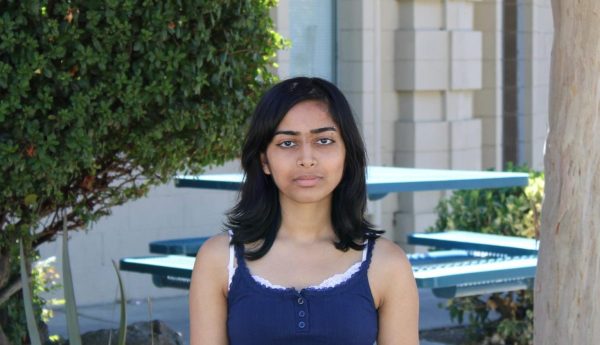
Sabrina Chan Fung (11), who lived in Venezuela for 5 years and later moved to the U.S, has family who are living there today. “My family has been really happy lately, especially compared to previously, since they have been living under Maduro for over 25 years, and it’s personally affected them very negatively.”
Fung added, “Americans see this as a bad thing, but I think even though it does have some bad things to it, for the Venezuela community, at least, it’s a good thing because at least we’re not under the dictator that we’ve been under for so many years. I believe that knowing multiple views on the situation, rather than what you already know, is important.”
Jayden Aaliyah (12) shared her personal insights after spending time researching the event. She describes how public opinion on Maduro’s capture is a lot more polarized than it may seem.
“Venezuela has had a pretty shady government and a dictator in power,” Aaliyah noted. “Trump has recently taken that person (Maduro) out of power, has put someone of his own in his place, and there’s been a lot of discourse about whether or not this will actually help Venezuela.”
She added, “There are news outlets that make it seem like people in Venezuela are celebrating, and maybe for some of them, but it’s really split because some people are very worried about what the U.S. government is going to do.”
These student perspectives highlight the differences in people’s opinions about the political transition in Venezuela. Some have expressed hope at the end of Maduro’s longstanding authoritarian leadership, while others are doubtful if the United States’ efforts will actually end up helping Venezuela. Overall, Maduro’s capture brings deeply contrasting perspectives on the political stability and the future of Venezuela.