
One question has been asked of everyone, and everyone has asked it themselves.
“Is it really that deep?”
Did the author actually intend this symbolism, or are we overlaying our own stretched imaginations over an unwieldy work? And if the latter, do we really need to keep this literature in the curriculum for our students? Today, the Irvington VOICE settled the debate on one front of the curriculum war with an interview between, the great poet and playwright William Shakespeare (AKA ‘The Bard’) himself and Totalime N. Tallystable (AKA ‘His Great Impotency’) a trusted English Professor of Harvard University. The interview is as transcribed below.
Q: So, first of all, it really is an honor to meet both of you, especially because I know it was difficult to get here today. Mr. Shakespeare, the trouble with the time portal! Are you okay?
SHAKESPEARE: Aye, ‘twas no trouble, tho’ all those limbs that were splinch’d. Anne and I went through a number of feline devils, but once we were assured of safety, I gave her a manly handshake and leapt off. ‘Tis always a good thing, to splurge ‘pon correcting misconceptions of mine work.
Q. That’s great! And Mr. Tallystable? I’m aware it’s your eighteenth wedding anniversary today.
TALLYSTABLE: Oh, don’t worry.
TALLYSTABLE: I’ve been through worse – [moves amputated leg]
TALLYSTABLE: She took the movie tickets in the divorce.
Q. That’s great! My first question is for Mr. Shakespeare. Sir – as a subject of required reading for high schoolers throughout the nation, how well do you think we have interpreted your plays in the modern day?
SHAKESPEARE: Oh, by Goddy! It feels like everyone is always reading unreasonably deep into my works. Indeed, I hain’t intended any of it.
Q.You think that we are looking too deep?
SHAKESPEARE: Exactly right. None of it was supposed t’have any of this moral plop. ‘Tis all just good old pap: murder – killing – and good-bosomed women. Thou knowst – like your Marvel Cinematic Universe.
SHAKESPEARE: Knowing some of my most outrageous acts are being seen as required literature for the young…I can see of no reason why I wouldn’t find it horrid – you all teaching these nublins to look for themes in fluff where there is none. Take – Macbeth – or Hamlet for example, taught to be about grief? Cycles of violence? No! ‘Tis only a good thundering about being frotty over beautiful and verifiably insane women. Taming of the Shrew as commentary on misogyny? No, only a mindbreak fantasy. Perhaps only Othello was really deep, but not because of any ‘introspection to race or psychic derangement’ or what have you, but because I had Annie Hathaway scrawl it after she trashed my liquor cellars. Ye can tell it was she the author, for Desdemona was teenishly ugly.
Q. And Mr. Tallystable, your response?
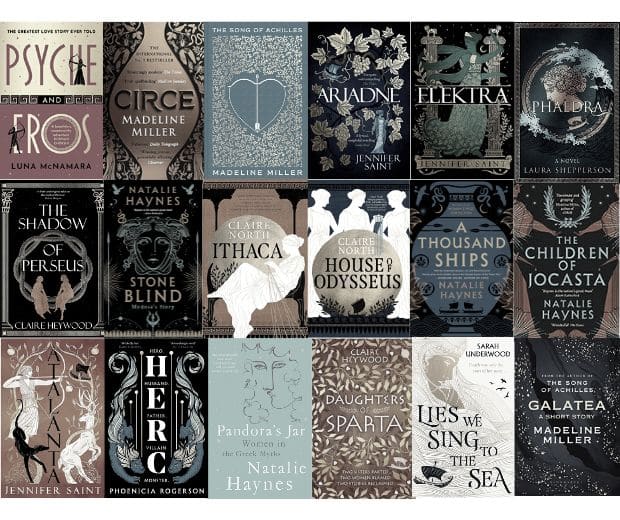
TALLYSTABLE: Well. I find it completely untrue, what Mr. Shakespeare is saying. All books have themes that can resonate inside one’s heart, subliminal though it may be. From the worst books with terribly promotional themes to the good sort that wrench into one’s soul. For example, every book in the current English curriculum is about infidelity.
Q. Elaborate?
TALLYSTABLE: Take A Thousand Splendid Suns – a promotion of infidelity if I ever saw one. And The Great Gatsby? Further infidelity even if that one was better resolved. Yes, I don’t know why Daisy would ever leave Tom Buchanan, as we know Tom nobly brought her shoes during their honeymoon and gave her a child and took her out to dinner at Olive Garden for their last anniversary and what does Gatsby even have beside his urine colored car? Our car was teal. She also took that in the divorce.
Q. Mr. Shakespeare, you?
SHAKESPEARE: O, that may be true for other peoples’ works. But if ye really wanted an olde text about the horrors of familial roles you didnae need to look at my own works. Example – the egregious offense of Romeo and Juliet. Themes on true love? Cycle of violence? Pah, what is that? Friend, that play is only about how cool swords are, none of this digging – just manly, thrusting, sword v. sword dramatic sparring. That’s why all the cool characters in that play died in a sword fight and all the losers didn’t.
TALLYSTABLE: But what about the deep themes of infidelity obtained in Romeo, Juliet, and Paris? It could not be more obvious that whether you meant it or not, such is romanticized by Juliet daring to leave handsome cologned Paris for the short, skanky, mouthbreather Romeo!
SHAKESPEARE: But that entire basis of argument is off! The sword, keep your eye on the penetrating sword, dear Tallystable. What of Mercutio? Dies heroically in a sword fight. Tybalt and Paris? Pierced through by the noble blade. I bear no responsibility for your own delusions caused by copious bouts of Red Bull or what have you. All of you must stop confusing my fun dogblood action-murder plays for serious literature and discussion, it’s frankly embarrassing.
TALLYSTABLE: But then you too stand by the theme to Romeo and Juliet – simply on a different rhythm. For a difference in degree is no difference in kind.
SHAKESPEARE: Have you ne’er seen an action comic?
TALLYSTABLE: I lost custody of those too in the separation.
SHAKESPEARE: Well. In Nature, dead bodies cannot sink ‘neath a certain level in the ocean’s plain. In your delusions, you seem to have no such restriction.
Q. Are there any books with deep themes you have encountered, Mr. Shakespeare?
SHAKESPEARE: Oh, many. Many. Little Women is right there with deep themes about incest.
TALLYSTABLE: Obviously.
Q. And now a question from the audience: Have you ever attended a bookburning?
SHAKESPEARE: I use Kit Marlowe’s plays to feed my fireplace with a hearty rum every night.
TALLYSTABLE [beginning to sob]: She used to love The Crucible… I have killed that book more times than I could count…
Q. And another: If Romeo and Juliet really is just about the masculine power of swordfighting then why did Mr. SHAKESPEARE chose to write the female lead killing herself through the sword while the male one used poison, a mode of death most often associated with femininity…?
TALLYSTABLE: [shrieking] How did I lose custody of my own leg to a man with male pattern baldness? How?? I’m not even impotent!??
SHAKESPEARE:…Oh God, oh no – OH NO, I DID IT AGAIN?! NOOOOOOOO